Slavery, in turn, played a central role in the political instability of the island. Slaves freed in the final days of Spanish rule, along with those who had run away from their plantations, established communities in the wild mountain interior and became known as the Maroons. Skirmishes with British troops eventually escalated into two separate wars, which led to the eventual deportation of many Maroons. Two slave rebellions, one in Morant Bay in 1760 and the Christmas Rebellion in St. James in 1831, combined with the growing antislavery movement in England, ended slavery in Jamaica. Chinese and East Indian indentured laborers were then brought to Jamaica, adding to the island's cultural mix. The early decades of the 20th century were marked by agitation for independence and social unrest among sugar plantation workers. After gaining greater sovereignty in the 1950s, Jamaica won full independence from Great Britain in 1962. It remains a member of the British Commonwealth. The island's social tensions have helped fuel its most famous export—reggae music. A potent mix of politics, religion and danceable rhythms, reggae rose to international popularity in the 1970s on the shoulders of Bob Marley and other Jamaican performers. In the 1970s, Jamaica veered toward socialism under charismatic premier Michael Manley. The resulting economic crisis spawned social unrest. Abetted by corrupt political leaders, criminal gangs evolved; the drug trade and politically partisan violence associated with it threatened to destabilize the nation. The economy has been relatively stable in recent decades, thanks to the growth of tourism and effective leadership. Geography Jamaica is the third-largest of the Caribbean islands—146 mi/234 km long and 51 mi/82 km wide—and the largest island in the English-speaking Caribbean. It lies some 90 mi/145 km south of Cuba. More than 100 rivers wind through the forested mountains of the island, and nearly half the island is more than 984 ft/300 m above sea level, so you can always see a hill or mountain, wherever you are. The largest city, Kingston, on the southeast side of the island, lies in the lee of the Blue Mountains. The northeast side of Jamaica receives trade winds and is extremely wet. By contrast, the southeast and south central coasts are arid, and cacti abound. The tourism industry is concentrated along the north coast, especially in Montego Bay and Ocho Rios, and in Negril, on the western tip of Jamaica. Your own adventures are just a click away! Book your complimentary consultation with Debbie by clicking the button above and your dream luxury vacation will no longer be found only in your dreams! Talk to you soon! Weather The best time to visit is November-April—Jamaica can be very crowded then. The temperature is fairly stable year-round, so it's possible to visit in other months as well. Winter coastal-area day temperatures are in the 70s-80s F/23-32 C. June-September is usually in the 80s-90s F/30-35 C. Nights tend to be 5-10 F/3-5 C degrees cooler everywhere. Temperatures in the hills and mountains are usually cooler than on the coasts—take a sweater for nights. Kingston, on the leeward (southern) side of the island, is drier, hotter and generally more uncomfortable than the windward (northern) shore. Always be prepared for rain showers in the Blue Mountains. The hottest time is July-October, when the humidity, heat and hurricane possibilities are the highest. Most rain falls May-October, but even then, it generally comes in brief showers and seldom ruins anyone's vacation. Hurricane season is June-November. What to wear...
Lightweight tropical clothing is preferable, with a shawl or light jacket for cool evenings. Beachwear is appropriate only at the beach. You should wear a cover-up when strolling in town (men, too). Even the most casual restaurants expect shoes and a shirt, except those on the beach, where button-down and barefoot is the rule. Appropriate dinner dress is Caribbean chic. Formal resort restaurants require men to wear a jacket and tie. Be sure to take comfortable walking shoes for sightseeing. If a visit to a church is on the itinerary, be respectful of the modest dress-code requirements.
0 Comments
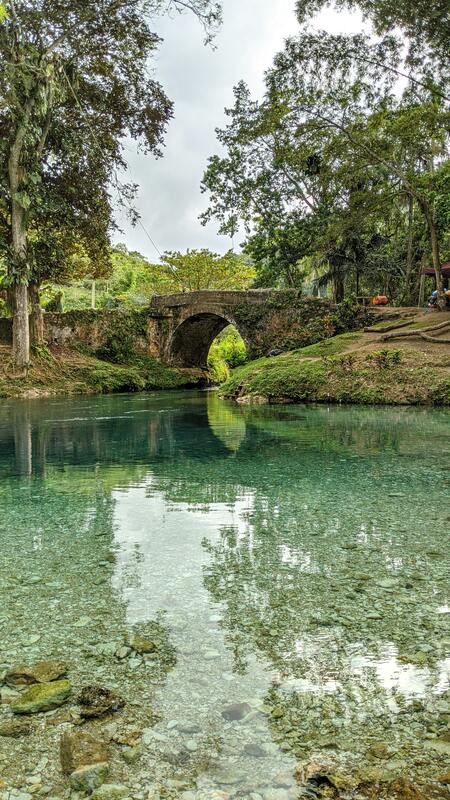
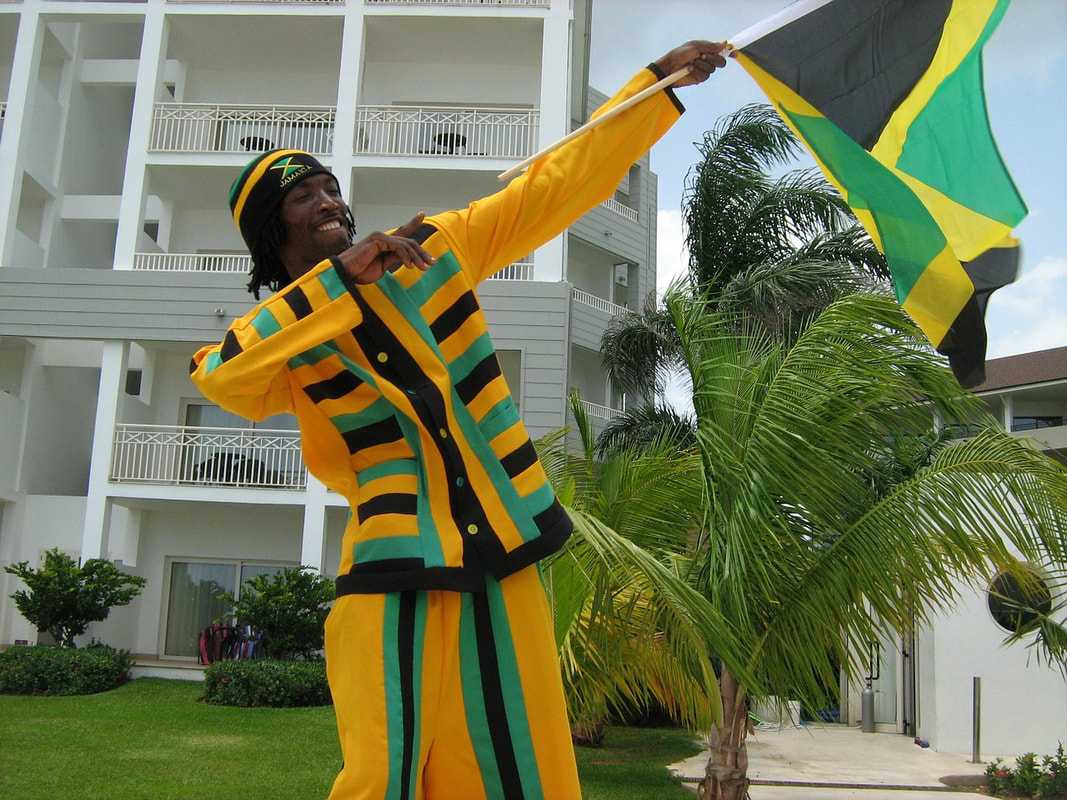
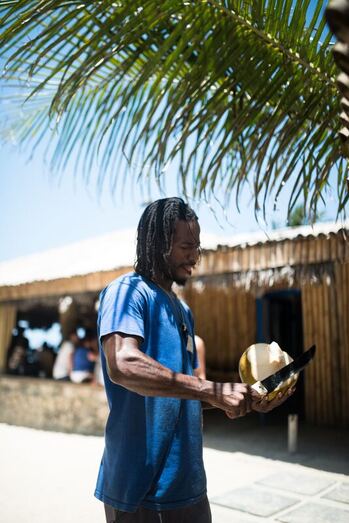
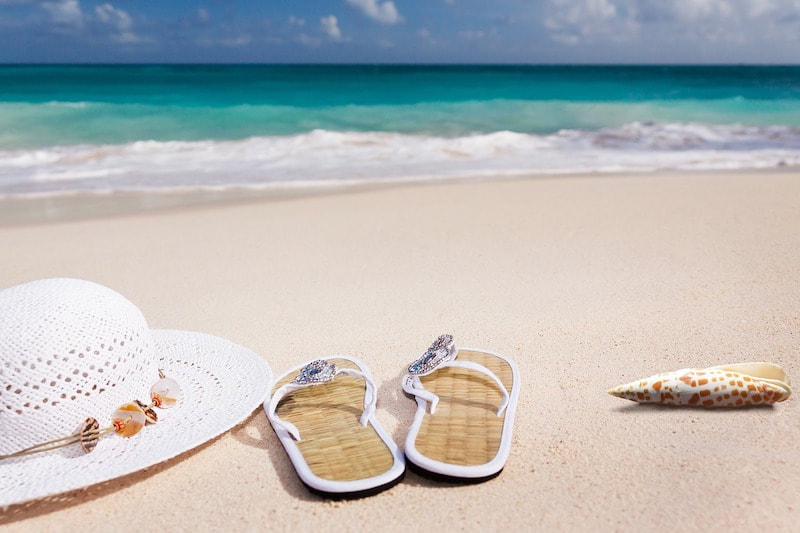
Jamaica is one of the most beautiful and culturally rich islands in the Caribbean, with an economy that depends largely on tourism. Explore the countryside and mingle with the locals, as they are friendly and truly delighted to meet and greet tourists who visit their island. The physical beauty and vibrant culture of Jamaica are still its greatest assets, and the good cheer among its people makes for a memorable vacation. The popular images of Jamaica are emerald rain forests, waterfalls that tumble into cool, clear streams and glorious beaches that rival any in the Caribbean. The legendary "cool" of Jamaican culture is heard in its reggae music and by the dry wit of the young Jamaican men who pilot visitors down the Great River on bamboo rafts. You won't easily forget the throngs of competing taxi drivers who swarm outside the Crafts Market in Montego Bay. Jamaica's foremost attractions include sunning on white-sand beaches, snorkeling, diving, listening to reggae music performed by local bands, partying, getting pampered at world-class resorts, horseback riding, river rafting, hiking, and visiting caves and historical sites. Travelers who appreciate warm tropical waters, magnificent scenery, food, earthy music and dance will enjoy Jamaica. Spelunkers are drawn to Jamaica's more than 400 caves. Many of them have dripstone formations, as well as large (but harmless) bat colonies. Some are open to the public. Singer Harry Belafonte's Banana Boat Song (Day-O) was inspired by the chants of men and women as they loaded bananas onto boats at Boundbrook Wharf in Port Antonio. Jamaica has an excellent and long-standing "Meet the People" program. The Jamaican Tourist Board will arrange for you to meet (or even stay with) a Jamaican with a similar hobby or profession, who will often take you to places of interest. Give the board a few days' notice or register online prior to your trip. Hollywood film directors, drawn by Jamaica's beauty, have used it as a setting for many films, including Cocktail, Blue Lagoon, 20,000 Leagues Under the Sea, Island in the Sun, Dr. No, Live and Let Die, Return to Treasure Island, Mighty Quinn, Wide Sargasso Sea and How Stella Got Her Groove Back. Jamaica's athletes have won more than 75 Olympic medals over the years, including gold medals at the London, Beijing and Rio Olympics courtesy of the record-breaking speed of Usain Bolt. The most surprising sport is bobsledding: Despite the fact that the island has no ice or snow, its two-man bobsled team ranked 10th in the 1992 Winter Olympics. Jamaicans call the speed bumps on the roads "sleeping policemen." Jamaica has 635 mi/1,022 km of coastline, with a beach around every bend and nestled in every cove. Couples can be married 24 hours after arriving in Jamaica if prior application has been made for a marriage license and notarized birth certificates have been produced. No blood tests required. Jamaica is listed in Guinness World Records as having more churches per square mile/kilometer than any other country. Parish churches welcome tourists at Sunday morning Mass, but mind the strictly enforced dress code. Dining in Jamaica Jamaica is famous for "jerk," a barbecued chicken, pork, sausage or fish highly seasoned with pimento, pepper and other spices. It's common on the island and can be mouth-searingly spicy. But there's more to Jamaica's cuisine: You'll find Indian curry, Lebanese chickpeas, pita bread (called Syrian bread locally) and Chinese food galore. Kingston, in particular, has several world-class restaurants serving nouvelle cuisine. With local meals, expect rice and peas (the "peas" are actually red kidney beans cooked with coconut milk), yams, dasheen, sweet potatoes, and flour or cornmeal dumplings as side dishes. Salted codfish, mackerel and herring are a legacy of slavery days. Salt fish and ackee, the island's traditional breakfast dish, combines salted cod with the unique ackee fruit, which tastes like slightly sweetened scrambled eggs. (It's poisonous if not properly prepared, so you may not want to try making it at home: Buy the canned form to be on the safe side.) Salt fish and ackee are often served with boiled green bananas, johnnycakes (fried flour dumplings) and bammies (cakes made from cassava). Other local specialties include red pea soup, rundown (a delicious coconut-milk and mackerel dish), pepperpot soup (hot and spicy), callaloo (a spinachlike plant), grilled lobster and roasted breadfruit. Try local beverages such as Ting (a grapefruit-flavored soft drink), Red Stripe and Real Rock beers, and Tia Maria liqueur. Drinks made from passion fruit, soursop, sugarcane and June plum are also tasty, as is a traditional Christmas drink called sorrel. The most refreshing drink of all is cold coconut water, which you can buy in bottles from most supermarkets or from roadside stalls where the coconuts are husked fresh. Unfortunately for coffee lovers, most of the coffee served in Jamaica is grown on the lowlands and is not the coveted Blue Mountain coffee. (You can purchase it in gift shops and supermarkets, however.) Or try a Jamaican beef patty. It's Jamaica's take on fast food—inexpensive and delicious. (You can get patties made with vegetables, chicken or lobster instead of beef.) There are many delicious local fruits, including mangoes, guineps, sweetsops, naseberries, otaheite apples, ortaniques (an orange-tangerine hybrid unique to the island), bananas and water coconuts (all in season). Escoveitch fish is a whole fried fish such as tilapia or red snapper filets, served with a relishlike sauce made with vinegar, scotch bonnet peppers, garlic, onions, thyme and pimento seeds. It is heated and drizzled over the fish, and sliced onions are added on top. Traditionally, this fish is served with bammy and can be ordered in restaurants and at roadside stands. The ladies of Kingston gather each afternoon by National Heroes Circle to sell crab fresh from the sea. Be sure to pick up a slab of macaroni pie and a cob of buttered corn. There are many restaurants, bars and dining options around the island, and most hotels and resorts have at least one restaurant on the premises. Cuisine is varied: You can sample Jamaican, Caribbean, North American, Continental or Asian foods. Not all establishments accept credit cards, so it is wise to call ahead and confirm acceptable mode of payment. Many small local establishments only accept Jamaican dollars, so do have some on hand. Many others that do accept U.S. dollars charge steep exchange rates. People ARE traveling again! Why not you? Click the button to schedule your consult with Debbie of Palmer Preferred Travel and start planning your dream vacation instead of keeping your life on hold--there are beautiful luxury destinations waiting for you with so much to do and no lines! Or, give Debbie a call. She's the travel agent of choice because she books with YOU in mind. Have you ever been to Jamaica? Perhaps it is on your bucket list. Why do so many people fantasize about Jamaica being "the place to go" on vacation? We all know that Jamaica is known for its great beaches and tropical sunsets, but there is a lot more to do than go to the beach. Although this is a great way to spend a vacation, some people want to be able to do a little more and see Jamaica and all the things that it has to offer. Here is a list of some of the most amazing things to do in Jamaica that don't involve sitting on the beach and catching some rays. Water Other Than the Beach
Great Places To Eat In The Mountains
Most think of the beaches of Jamaica when they are looking for things to do, but take the time to look into what is around, and you may find some memorable experiences. Jamaica has a beautiful culture and a landscape that is just as diverse as anywhere else. There are great people, tropical wildlife, and things to do inland and on the coast. Just expand your horizons and see all the things that Jamaica has to offer. And now, it's YOUR turn. No more dreaming, no more fantasy! Let's talk about the pictures you're going to take when you and your special someone (or your family) venture to Jamaica! Click below to book your complimentary consult. |
Debbie PalmerOwner and Travel Expert at Palmer Preferred Travel Categories
All
Archives
November 2022
|
RSS Feed